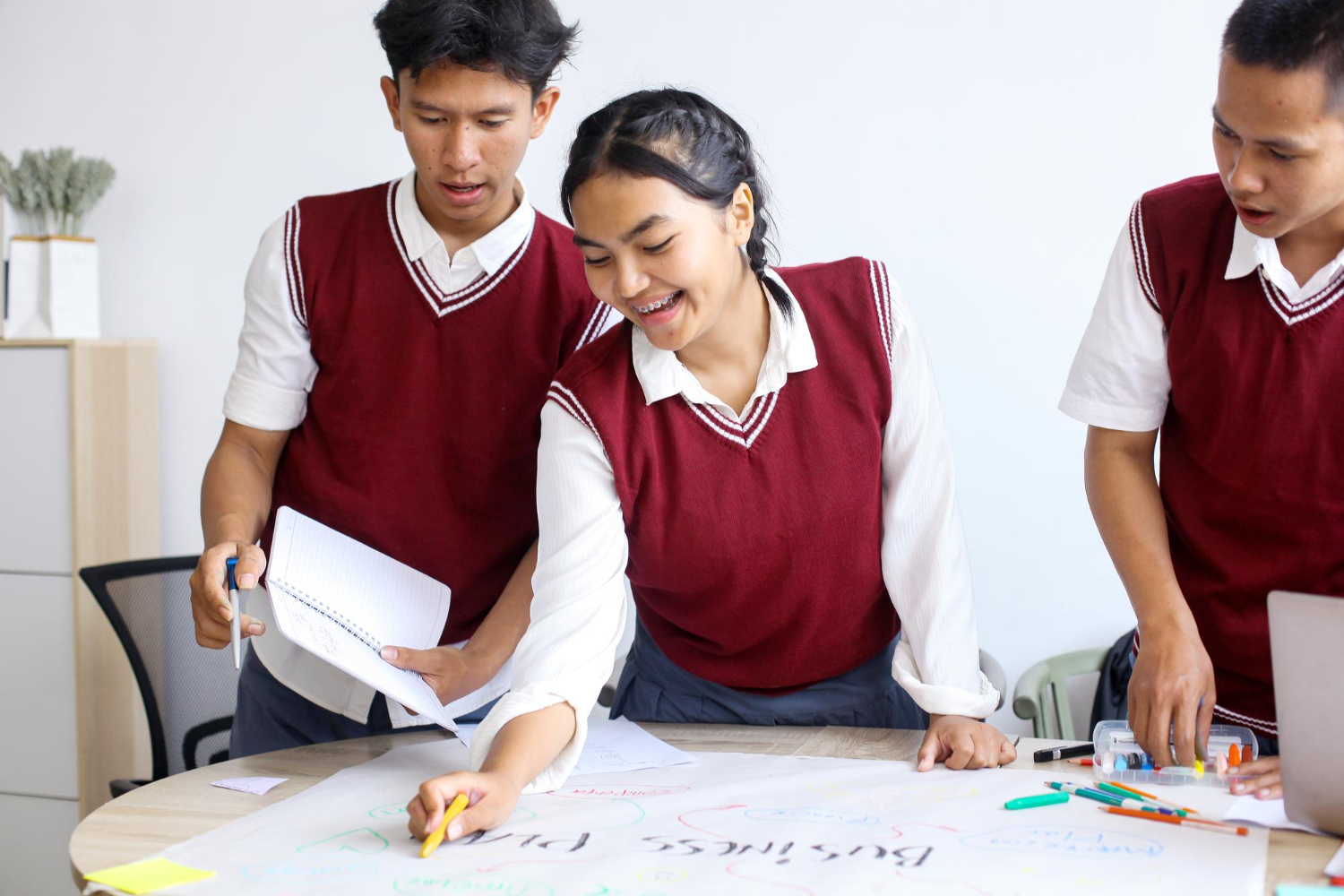
10 Essential Life Skills Students Should Learn in School
Did you know that school isn’t just about textbooks and exams? While academics are important, there are key life skills that every student should learn to thrive in the real world. In today’s vlog, we’ll explore 10 essential life skills that will not only help students succeed in their studies but also in their personal lives and careers.
s students, we focus a lot on subjects like math, science, and literature, but there’s more to education than that. These 10 life skills are not just important for success in school, but they will shape you into a well-rounded individual. Let’s dive into them!
Education is not just about learning facts, but about learning how to think, adapt, and thrive in the world beyond the classroom.
— Unknown
Skill 1: Time Management
One of the most important skills students should learn is time management. Balancing studies, extracurriculars, and personal time can be overwhelming. But when you know how to manage your time well, you’ll accomplish more and reduce stress.
Examples:
Using planners, setting reminders, and breaking tasks into smaller chunks are some strategies to help manage your time effectively.
Being able to manage your time will not only help you in school but will be crucial in your career and personal life.
Skill 2: Communication Skills
Communication is key in every area of life. Whether it’s talking to teachers, classmates, or family members, effective communication helps build strong relationships.
Examples:
Learning how to express ideas clearly, listen actively, and engage in respectful conversations will benefit you in group work, presentations, and even future job interviews.
Being a good communicator opens doors in both your personal and professional life, making you more effective and confident.
Skill 3: Critical Thinking and Problem-Solving
Critical thinking involves analyzing information, questioning assumptions, and thinking logically to solve problems. It’s an essential skill for academic success and life in general.
Examples:
Students can practice critical thinking by asking questions like ‘Why is this happening?’ or ‘What are the possible outcomes?’ when approaching a problem.
Critical thinking will help you make better decisions in your career and personal life, allowing you to approach challenges more strategically.
Skill 4: Financial Literacy
Knowing how to manage money is a skill that’s often overlooked in school. Financial literacy is understanding how to budget, save, and invest wisely.
Examples:
Students should learn about managing allowances, opening a savings account, or tracking expenses to get a feel for how money works.
Learning financial literacy early can help avoid debt and establish good financial habits for the future.
Skill 5: Emotional Intelligence
Emotional intelligence refers to recognizing, understanding, and managing our own emotions and those of others.
Examples:
Students can practice emotional intelligence by handling conflict respectfully, showing empathy to others, and practicing self-regulation in stressful situations.
Having high EQ leads to better mental health, improved relationships, and the ability to cope with life’s challenges.
Skill 6: Teamwork and Collaboration
Teamwork is a crucial skill. Students often work in groups for projects and assignments, but knowing how to collaborate effectively can be learned.
Examples:
Working with others on a school project or even participating in team sports helps build collaboration skills.
The ability to work well in teams is highly valued in the workplace and is essential for success in many careers.
Skill 7: Adaptability and Flexibility
The world is constantly changing, and so is the work environment. Being adaptable means being open to change and learning new things.
Examples:
Students should embrace new technologies, new teaching methods, and be open to feedback to foster adaptability.
Adaptability will help you navigate changes in the workplace and make it easier to switch careers or take on new challenges.
Skill 8: Decision-Making
Learning how to make informed decisions is crucial. Students face many decisions, from picking courses to deciding which extracurricular activities to join.
Examples:
By weighing pros and cons, researching options, and reflecting on values, students can improve their decision-making skills.
Being a strong decision-maker will empower you to take control of your future and make choices that align with your goals.
Skill 9: Self-Care and Mental Health Awareness
Taking care of your physical and mental health is essential. Students should be encouraged to prioritize sleep, nutrition, and relaxation to manage stress.
Examples:
Practices like mindfulness, exercising regularly, and getting adequate rest are essential habits to build early.
Self-care helps prevent burnout and ensures you have the energy and focus to pursue your goals.
Skill 10: Goal Setting
Setting goals and working towards them is a vital skill for success. It helps students focus their efforts and track their progress.
Examples:
Students can start by setting small academic or personal goals and working up to bigger long-term objectives.
Goal-setting gives direction to your ambitions and boosts motivation, helping you achieve things you never thought possible.